Identity Enables Autonomy
Moving a pico from one engine to another looks like a migration feature, but the point is autonomy. Most people will never run their own servers, so freedom online depends on apps and data that can move between hosts, and identity is what lets them move without breaking. This post lays out the argument behind my IIW demo.
Continue reading {Identity Enables Autonomy}
Pico Engine 1.8 Is for Builders
Smalltalk taught a generation of programmers what it felt like to build by conversing with a live system, and Alan Kay hoped it would turn users into builders. Version 1.8 of the pico engine takes both ideas seriously: a better developer UI for people, an MCP surface for agents, and a schema underneath that makes both possible. This post describes the release and why the builders it serves don't all have to be developers.
Continue reading {Pico Engine 1.8 Is for Builders}
Closures, Objects, Actors, and Picos
I've been intrigued by closures since I taught introductory computer science from SICP at UC Davis in 1988. This post dives into a little programming language theory to trace a line from closures to objects to actors to picos, showing what each step adds. A pico is a closure that has been made to answer for itself in the world, with persistent state, a durable identity, and relationships it can carry when it moves.
Continue reading {Closures, Objects, Actors, and Picos}
Moving Picos from Mesh to Mesh
Software that can’t leave the machine it was born on isn’t really yours. Version 1.7 of the pico engine lets a pico and its subtree move between engines while its relationships keep working, because other picos follow its DID rather than its address. This post describes what moves, why identity is what makes it possible, and what’s still ahead.
Continue reading {Moving Picos from Mesh to Mesh}

Explore Technometria
Popular Topics
- Actor Model
- Agentic AI
- Authentication
- Authorization
- Blogging
- Decentralization
- Event Programming
- Identity
- IIW
- Internet of Things
- IT Conversations
- Javascript
- KRL
- Kynetx
- Picos
- Programming
- Programming Languages
- Reactive Programming
- Reputation
- Sovrin
- Startups
You Might Also Enjoy
- Self-Sovereign Identity References
- Best Food Blog on the Planet
- Live Web Whitepapers
- My Slides
- My Videos
- CTO Breakfast
- Essays
- CIO Whitepapers
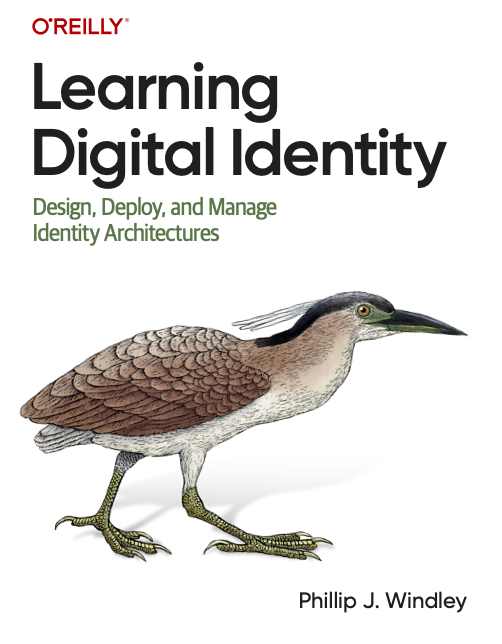
My Books