Community in Denial
Christopher Koch, who is the Executive Editor at CIO Magazine, has a provacative post on his blog about "community" being the code word of denial in the current burst of activity commonly called Web 2.0. He compares it to the word "collaboration" which fueled the B2B bubble in the late 90's. Using the c-word allows you to "slide past any discussion or proof of real value." Chris points out three things necessary to get and keep visitors to any Web site: Perceived value Safety Clear exchange of value You could probably argue the first of these draws visitors, the
Continue reading {Community in Denial}
Wiki Wednesday
After the day was over at IIW, Eugene Kim was headed down to SocialText to speak at Wiki Wednesday, so some of us tagged along. The evening was nice enough that we moved it outside. A very informal and nice conversation. Eugene was being controversial and said that recent improvements to wikis are missing the point. Wikis are transformational tools for communities. They are neutral space. So what features are needed and central to the notion of a wiki? Yet wikis need single sign on. Lightweight SSO solutions are viable. If wikis are supposed to be about community, then
Continue reading {Wiki Wednesday}
Derek Powazek on Community
Derek Powazek is talking about new communities on the Web. He says that the Web is less about companies createing "company" towns and more about people creating their own spaces. He uses the Technorati Top 100 bloggers as examples of people who have enormous reach and create their own community. Company town are communities, but they're extrememly authoritative. If you step out of line, you can find yourself out of the community. When you create your own community, that's no longer true. Derek mentions MeasureMap as an example of a site that helps manage community--showing visitors and posts. I've
Continue reading {Derek Powazek on Community}
IIW2005: Marry Ruddy on Use Cases
Mary Ruddy is speaking on Use Cases for the Social Web. Our hope is that by discussing use cases, we can lay a foundation for later discussion and give everyone a common frame of reference. Mary makes the point that use cases are stories. Keeping the discussion about stories helps people from different technology backgrounds to relate. Use cases: SSO, social commerce (Doc's example or recommender's, reviewers, and affiliates), augmented social networks, Katrina networking (lost and found people), soccer registration, Internet banking authentication, health care, etc. Question: can we move beyond authentication? Mary makes an interesting point that we
Continue reading {IIW2005: Marry Ruddy on Use Cases}

Explore Technometria
Popular Topics
- Actor Model
- Agentic AI
- Authentication
- Authorization
- Blogging
- Decentralization
- Event Programming
- Identity
- IIW
- Internet of Things
- IT Conversations
- Javascript
- KRL
- Kynetx
- Picos
- Programming
- Programming Languages
- Reactive Programming
- Reputation
- Sovrin
- Startups
You Might Also Enjoy
- Self-Sovereign Identity References
- Best Food Blog on the Planet
- Live Web Whitepapers
- My Slides
- My Videos
- CTO Breakfast
- Essays
- CIO Whitepapers
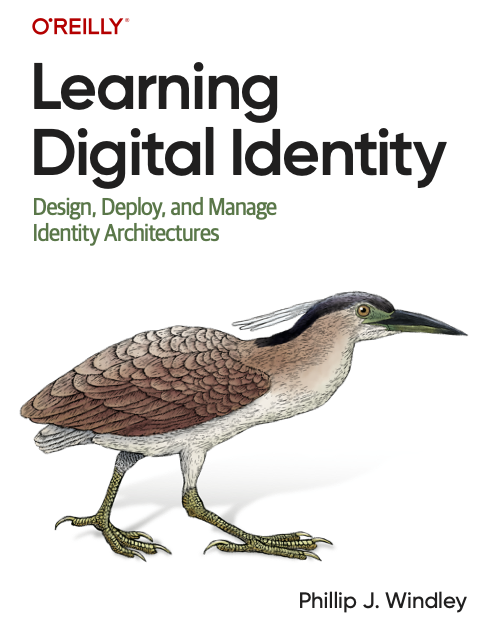
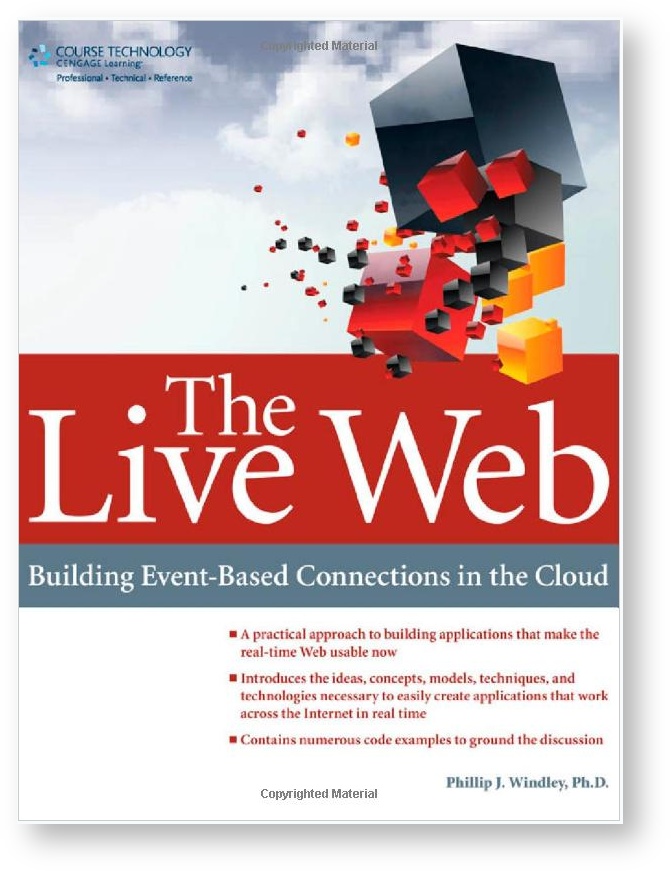
My Books