GRAMA and Cost
Speaking before the GRAMA working group today, Craig Call said "informed people make wise choices says." This is a great way to look at open records and open government. Another thought "GRAMA reduces the need for litigation and thus reduces overall costs." We should view open records as a responsibility of government, not a burden. That said, GRAMA is the worst way to get open government. GRAMA ought to be the way exceptions are handled, not the way routine access to data is made. Exception handling costs any business money. Government is no different. The rule ought to be
Continue reading {GRAMA and Cost}
Killing Conspiracy: WikiLeaks and GRAMA
Over the last decade, I've lived my life more publicly than I did before thanks to the rise of technologies like blogging and Twitter. Many of my friends don't understand the level of information I'm willing to just put out for the world to see or what motivates it. The primary motivation--at least the primary reward--has been a life that is richer and more fun because of the connections I've made, the discussions that have ensued, and the friends I have who I'd have never known without blogging and Twitter. That said, like most people, I chose what to
Continue reading {Killing Conspiracy: WikiLeaks and GRAMA}
GRAMA, Open Government, and Privacy
I'm been asked to serve on the working group to understand what, if any, changes need to be made to GRAMA, the Government Records Access and Management Act--Utah's version of the Freedom of Information Act. This issue has been of considerable interest to me since it came up in the final days of the 2011 legislative session. The Utah lesiglature passed a bill, HB477, that restricted access to records by making some communications something other than government records (and thus out of the perview of GRAMA) and making others specifically protected. The bill also tries to deal with cost
Continue reading {GRAMA, Open Government, and Privacy}

Explore Technometria
Popular Topics
- Actor Model
- Agentic AI
- Authentication
- Authorization
- Blogging
- Decentralization
- Event Programming
- Identity
- IIW
- Internet of Things
- IT Conversations
- Javascript
- KRL
- Kynetx
- Picos
- Programming
- Programming Languages
- Reactive Programming
- Reputation
- Sovrin
- Startups
You Might Also Enjoy
- Self-Sovereign Identity References
- Best Food Blog on the Planet
- Live Web Whitepapers
- My Slides
- My Videos
- CTO Breakfast
- Essays
- CIO Whitepapers
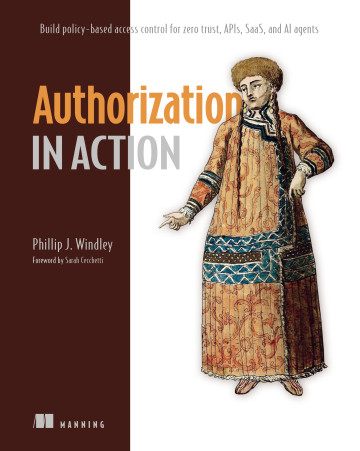
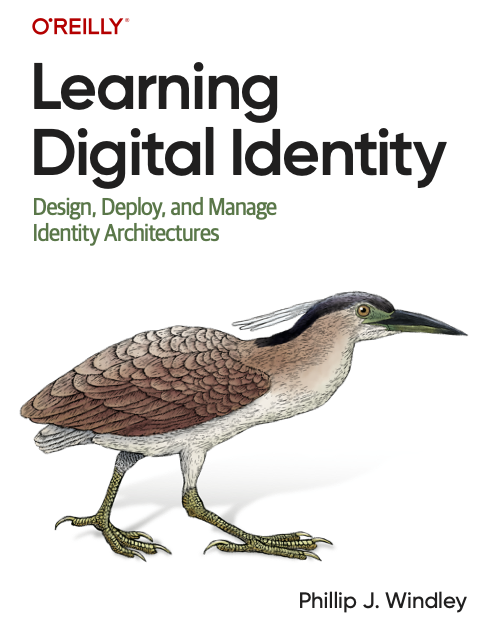
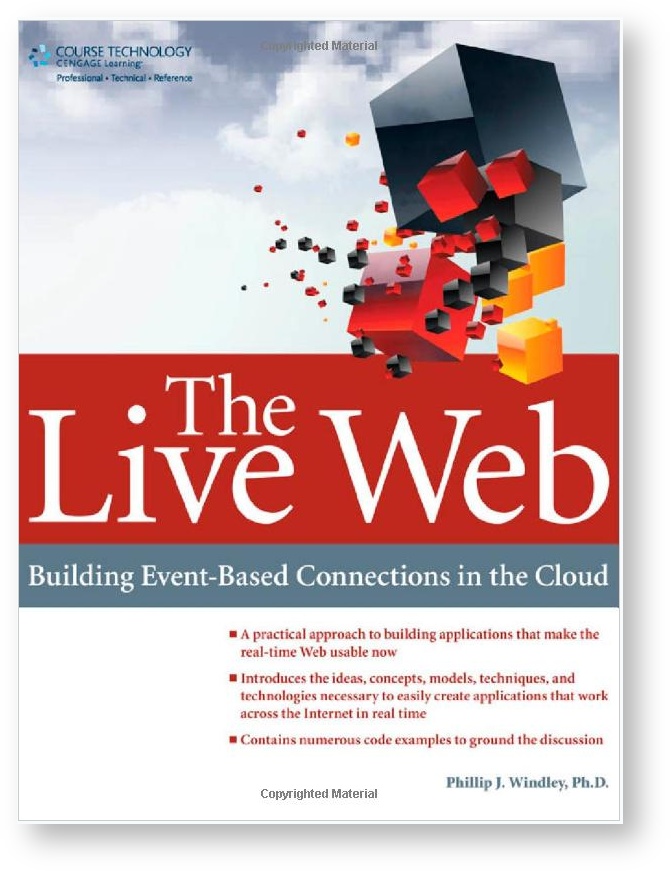
My Books