The Multiple Passport Problem: Declaring Digital Sovereignty
The promise of user-centric identity and personal data is better models of people and what they need and want online. This leads to greater value for everyone without people having to sacrifice their privacy, a rare win-win.
Continue reading {The Multiple Passport Problem: Declaring Digital Sovereignty }
Using Google's Universal Authentication Engine
Google's Chat service, GTalk, is based on XMPP, the protocol behind Jabber. That's why you can use any Jabber client with GTalk. This has other implications beyond chat clients, however. XMPP has a very capable authentication mechanism built-in to service distributed chat servers, but you can use XMPP authentication for anything. Google has conviniently tied this authentication service to your Google account. That means that you could build an application that let's people log in using their Google account name (what I call GIDs) and password without any prior arrangement with Google. With no fanfare at all, Google has
Continue reading {Using Google's Universal Authentication Engine}
XRI, XDI, and Identity
I flew down to Oakland today to attend Andy Dale's XDI Workshop (slides and video available, eventually, on the wiki). XRI's one of those things I've wanted to understand better and I decided that going to a workshop with Andy was the best way to do that. Call me lazy. Andy subtitled his presentation "an implementor's guide" and started off with an off-the-cuff comment that XDI is mostly at a stage where it can be implemented. Globally Unique identifiers You can't talk about distributed management without talking about global unique identifiers (GUIs). These are things like phone numbers. Local
Continue reading {XRI, XDI, and Identity}

Explore Technometria
Popular Topics
- Actor Model
- Agentic AI
- Authentication
- Authorization
- Blogging
- Decentralization
- Event Programming
- Identity
- IIW
- Internet of Things
- IT Conversations
- Javascript
- KRL
- Kynetx
- Picos
- Programming
- Programming Languages
- Reactive Programming
- Reputation
- Sovrin
- Startups
You Might Also Enjoy
- Self-Sovereign Identity References
- Best Food Blog on the Planet
- Live Web Whitepapers
- My Slides
- My Videos
- CTO Breakfast
- Essays
- CIO Whitepapers
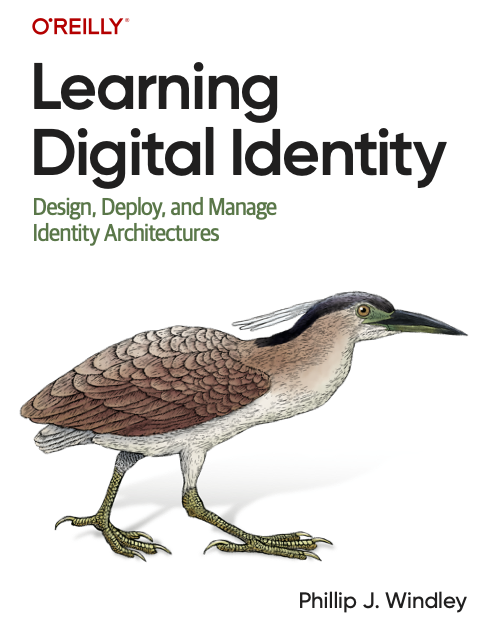
My Books