Using X.509 Certs for DID Provenance
The abundance of X.509 certificate authorities who already perform identity proofing for businesses provides a rich resource that can be leveraged to boot the verifiable data ecosystem.
Continue reading {Using X.509 Certs for DID Provenance}
Web3: Self-Sovereign Authority and Self-Certifying Protocols
When we dine at a restaurant in the physical world, we do not do so within some administrative system. Rather, as embodied agents, we operationalize our relationships by acting for ourselves. Web3, if built correctly, can help people to act as full-fledged participants in the digital realm.
Continue reading {Web3: Self-Sovereign Authority and Self-Certifying Protocols}
SSI Interaction Patterns
Interaction patterns in SSI differ from what we see in a traditional IAM system that is performing authentication and authorization. This post discussed three different authentication and authorization patterns and then shows how they are all specializations of the general verifiable credential exchange pattern.
Continue reading {SSI Interaction Patterns}
Comparing X.509 Certificates with SSI
X.509 certificates have been around for 40 years and have proven to be a trustworthy means of exchanging data. So, what are the differences between X.509 ceritificates and SSI? And what are the advantages of each?
Continue reading {Comparing X.509 Certificates with SSI}
The Generative Self-Sovereign Internet
The self-sovereign internet, a secure overlay on the internet, provides the same capacity to produce change by numerous, unaffiliated and uncoordinated actors as the internet itself. The generative nature of the self-sovereign internet is underpinned by the same kind of properties that make the internet what it is, promising a more secure and private, albeit no less useful, internet for tomorrow.
Continue reading {The Generative Self-Sovereign Internet}
Relationships in the Self-Sovereign Internet of Things
DIDComm-capable agents provide a flexible infrastructure for numerous internet of things use cases. This post looks at Alice and her digital relationship with her F-150 truck. She and the truck have relationships and interactions with the people and institutions she engages as she co-owns, lends and sells it. These and other complicated workflows are all supported by a standards-based, open-source, protocol-supporting system for secure, privacy-preserving messaging.
Continue reading {Relationships in the Self-Sovereign Internet of Things}
The Self-Sovereign Internet of Things
Self-sovereign identity offers much more than just better ways to log in. The identity metasystem is really a sophisticated messaging system that is trustworthy, secure, and extensible. While decentralized identifiers and verifiable credentials have much to offer the Internet of Things (IoT), the secure messaging subsystem promises an IoT that goes well beyond those initial scenarios. This post gives and introduction to SSI and IoT. The follow-on post goes deeper into what a true Internet of Things founded on SSI can provide.
Continue reading {The Self-Sovereign Internet of Things}
DIDComm and the Self-Sovereign Internet
DIDComm is the messaging protocol that provides utility for DID-based relationships. DIDComm is more than just a way to exchange credentials, it's a protocol layer capable of supporting specialized application protocols for specific workflows. Because of its general nature and inherent support for self-sovereign relationships, DIDComm provides a basis for a self-sovereign internet much more private, enabling, and flexible than the one we've built using Web 2.0 technologies.
Continue reading {DIDComm and the Self-Sovereign Internet}
Operationalizing Digital Relationships
An SSI wallet provides a place for people to stand in the digital realm. Using the wallet, people can operationalize their digital relationships as peers with others online. The result is better, more authentic, digital relationships, more flexible online interactions, and the preservation of human freedom, privacy, and dignity.
Continue reading {Operationalizing Digital Relationships}
Relationships and Identity
We build digital identity systems to create and manage relationships—not identities. We need our digital relationships to have integrity and to be useful over a specified lifetime. Identity systems should provide relationship integrity and utility to participants for the appropriate length of time. Participants should be able to create relationships with whatever party will provide utility. SSI provides improved support for creating, managing, and using digital relationships.
Continue reading {Relationships and Identity}
DID Messaging: A Batphone for Everyone
DID Messaging can provide a secure, authenticated, and verified channel for every relationship you have.
Continue reading {DID Messaging: A Batphone for Everyone}
Decentralized Identifiers
Decentralized identifiers are one of the foundational ideas for supporting self-sovereign identity. This post describes how decentralized identifiers work.
Continue reading {Decentralized Identifiers}

Explore Technometria
Popular Topics
- Actor Model
- Agentic AI
- Authentication
- Authorization
- Blogging
- Decentralization
- Event Programming
- Identity
- IIW
- Internet of Things
- IT Conversations
- Javascript
- KRL
- Kynetx
- Picos
- Programming
- Programming Languages
- Reactive Programming
- Reputation
- Sovrin
- Startups
You Might Also Enjoy
- Self-Sovereign Identity References
- Best Food Blog on the Planet
- Live Web Whitepapers
- My Slides
- My Videos
- CTO Breakfast
- Essays
- CIO Whitepapers
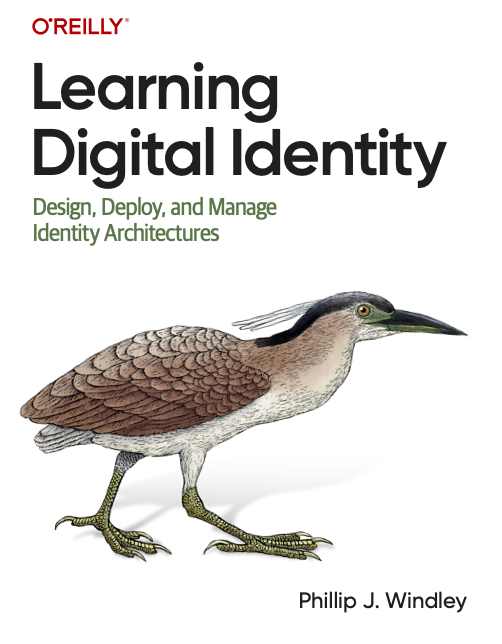
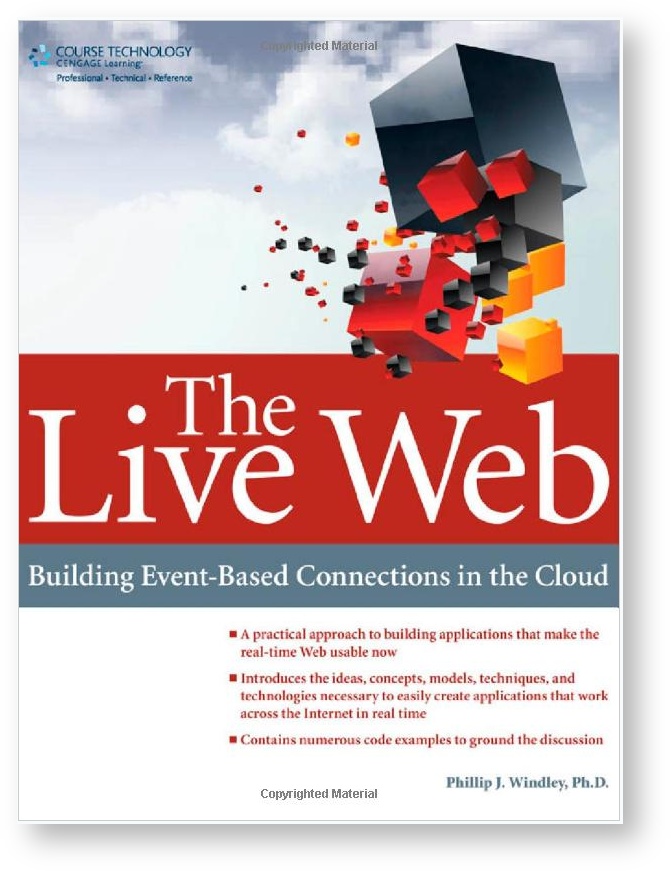
My Books