The Impact of a Network of Networks on Censorship
Creating a network of networks, where multiple ledgers serve as anchors for credential definitions, has consequences for the overall system's ability to resist censorship. This post explores why.
Continue reading {The Impact of a Network of Networks on Censorship}
When People Can Share Verifiable Attributes, Everything Changes
Verifiable, owner-provided attributes are the engine that will drive wide-spread adoption of self-sovereign identity systems. This article explains how this models the way credentials work in the physical world and describes benefits of owner-provided attributes.
Continue reading {When People Can Share Verifiable Attributes, Everything Changes}
TL;DR: How Sovrin Works
An animation showing how Sovrin works.
Continue reading {TL;DR: How Sovrin Works}
How Sovrin Works
This article describes how Sovrin works by showing the interactions of a Sovrin user, Jane, with organizations she does business with. The examples highlights Sovrin's features and method of operation.
Continue reading {How Sovrin Works}
Announcing the Sovrin Foundation
In London today, we're announcing the formation of the Sovrin Foundation. Sovrin Foundation is a private-sector, international non-profit that was established to govern the Sovrin Identity Network (SIDN). SIDN is a public, permissioned distributed ledger purpose built for identities. The Internet was created without any way for people and organizations to be identified. On the Internet, only machines get identities in the form of IP numbers. This is understandable given what the creators of the Internet were trying to achieve. But the lack of a decentralized, heterarchical, and interoperable identity system has created an environment where the services most
Continue reading {Announcing the Sovrin Foundation}
Self-Sovereign Identity and the Legitimacy of Permissioned Ledgers
This post justifies the claim that an identity system based on a permissioned distributed ledger is legitimately self-sovereign. The post also examines the claims to legitimacy that social login and distributed ledger identity systems make.
Continue reading {Self-Sovereign Identity and the Legitimacy of Permissioned Ledgers}
An Internet for Identity
Online services and interactions are being held back by the lack of identity systems that have the same virtues as the Internet. This post describes what we can expect from an Internet for identity.
Continue reading {An Internet for Identity}
Decentralization and Distributed Ledgers
Some claim that decentralized system that have to be governed aren't really decentralized. This article explains why that thinking is misguided.
Continue reading {Decentralization and Distributed Ledgers}
Service Integration Via a Distributed Ledger
System integration by writing and reading claims on a distributed ledger solves some big problems.
Continue reading {Service Integration Via a Distributed Ledger}

Explore Technometria
Popular Topics
- Actor Model
- Agentic AI
- Authentication
- Authorization
- Blogging
- Decentralization
- Event Programming
- Identity
- IIW
- Internet of Things
- IT Conversations
- Javascript
- KRL
- Kynetx
- Picos
- Programming
- Programming Languages
- Reactive Programming
- Reputation
- Sovrin
- Startups
You Might Also Enjoy
- Self-Sovereign Identity References
- Best Food Blog on the Planet
- Live Web Whitepapers
- My Slides
- My Videos
- CTO Breakfast
- Essays
- CIO Whitepapers
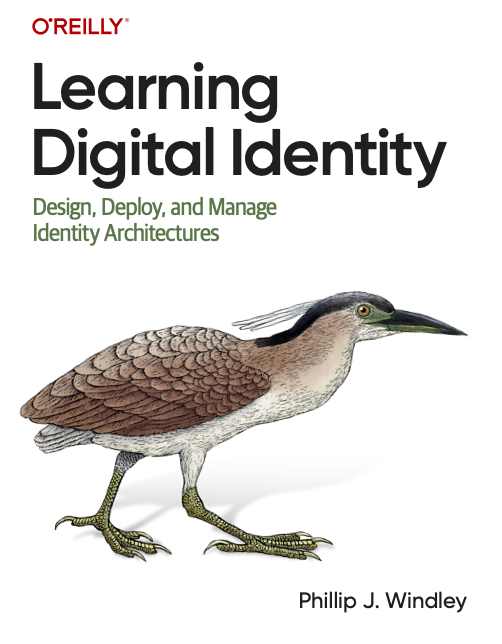
My Books